
- Flooring
5 Top Factors That Affect Flooring Costs | Carpetland Grand Junction
July 29, 2026
If you’re considering new flooring for your home or office, you’re probably wondering how much your project will cost. The answer depends on several factors, from the type of flooring you choose to the condition of your existing floors. Below, we’ve highlighted five of the biggest factors that can influence the overall cost of a new flooring project.
1. The Type of Flooring You Choose
One of the biggest factors affecting the overall cost of your flooring project is the material itself. Different flooring products have different manufacturing costs, lifespans, installation methods, and maintenance requirements. All of that can influence your estimate.
In general:
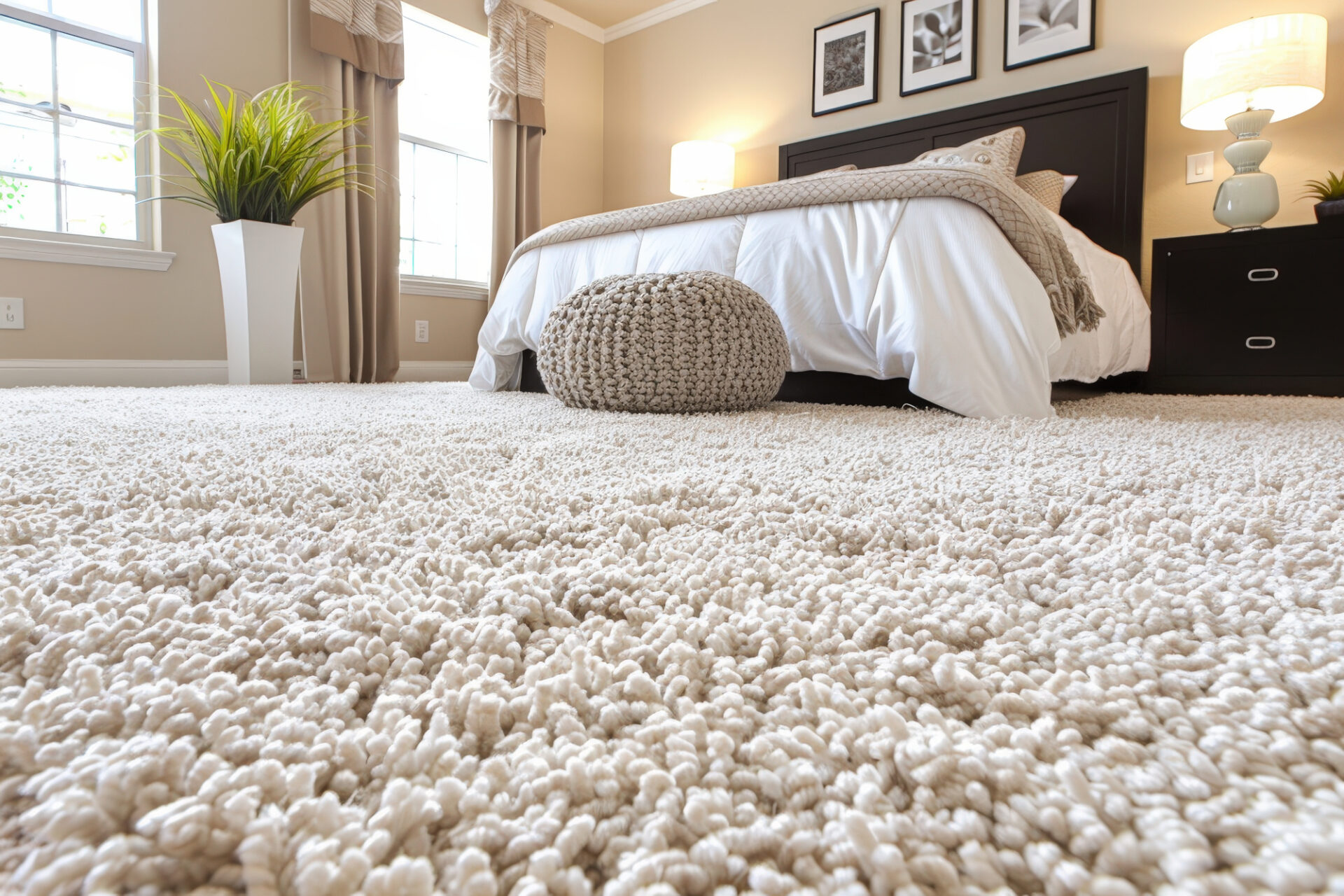
- Carpet is often one of the most budget-friendly options, especially for bedrooms and low-traffic areas.
- Laminate is typically another affordable choice and can provide the look of hardwood at a lower price point.
- Luxury vinyl plank (LVP) usually falls in the middle, offering excellent durability and water resistance, which is crucial for Colorado winters.
- Hardwood is often one of the more significant investments but can add timeless beauty and long-term value to a home.
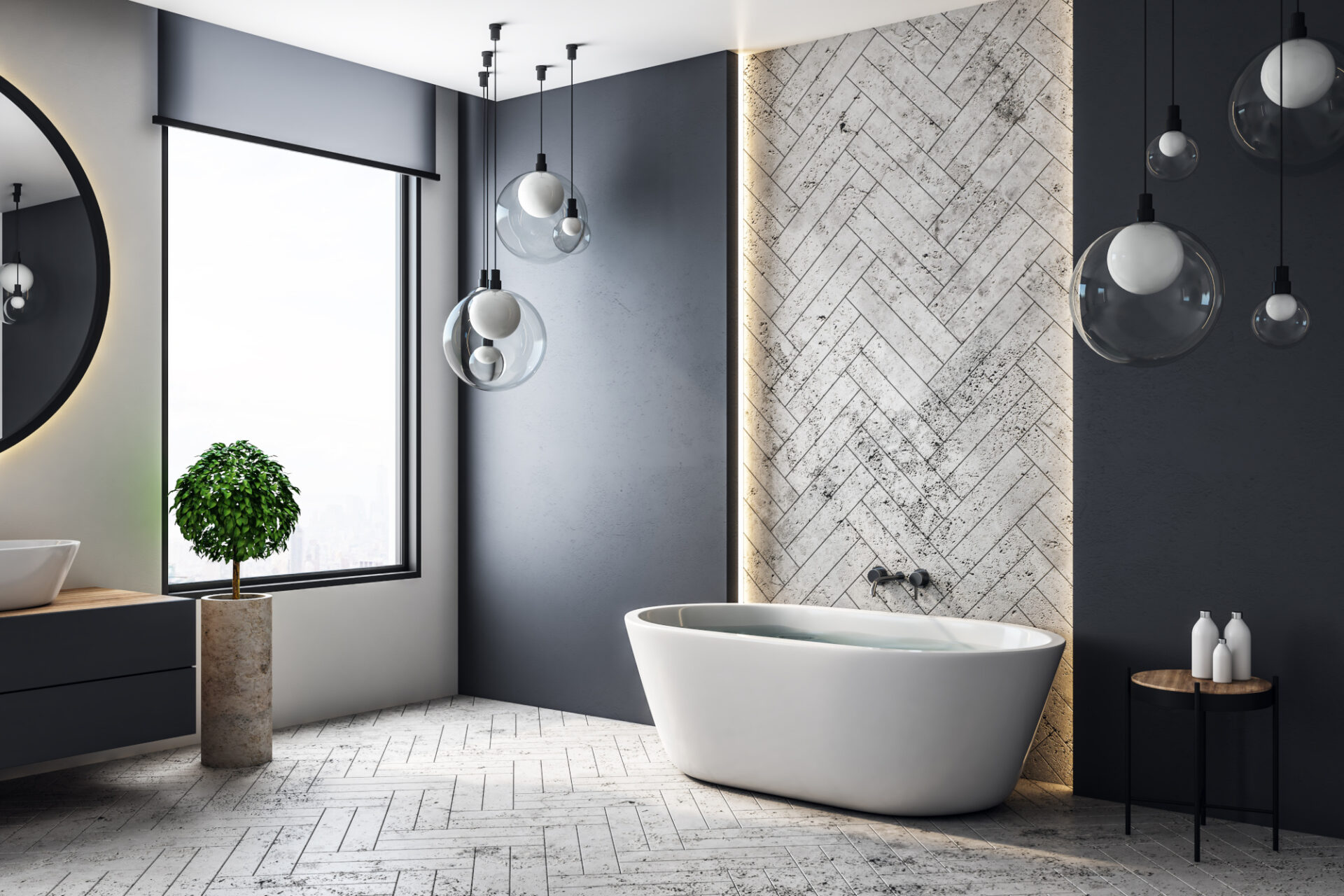
- Tile can range widely in cost depending on the material and installation complexity. It does offer excellent durability.
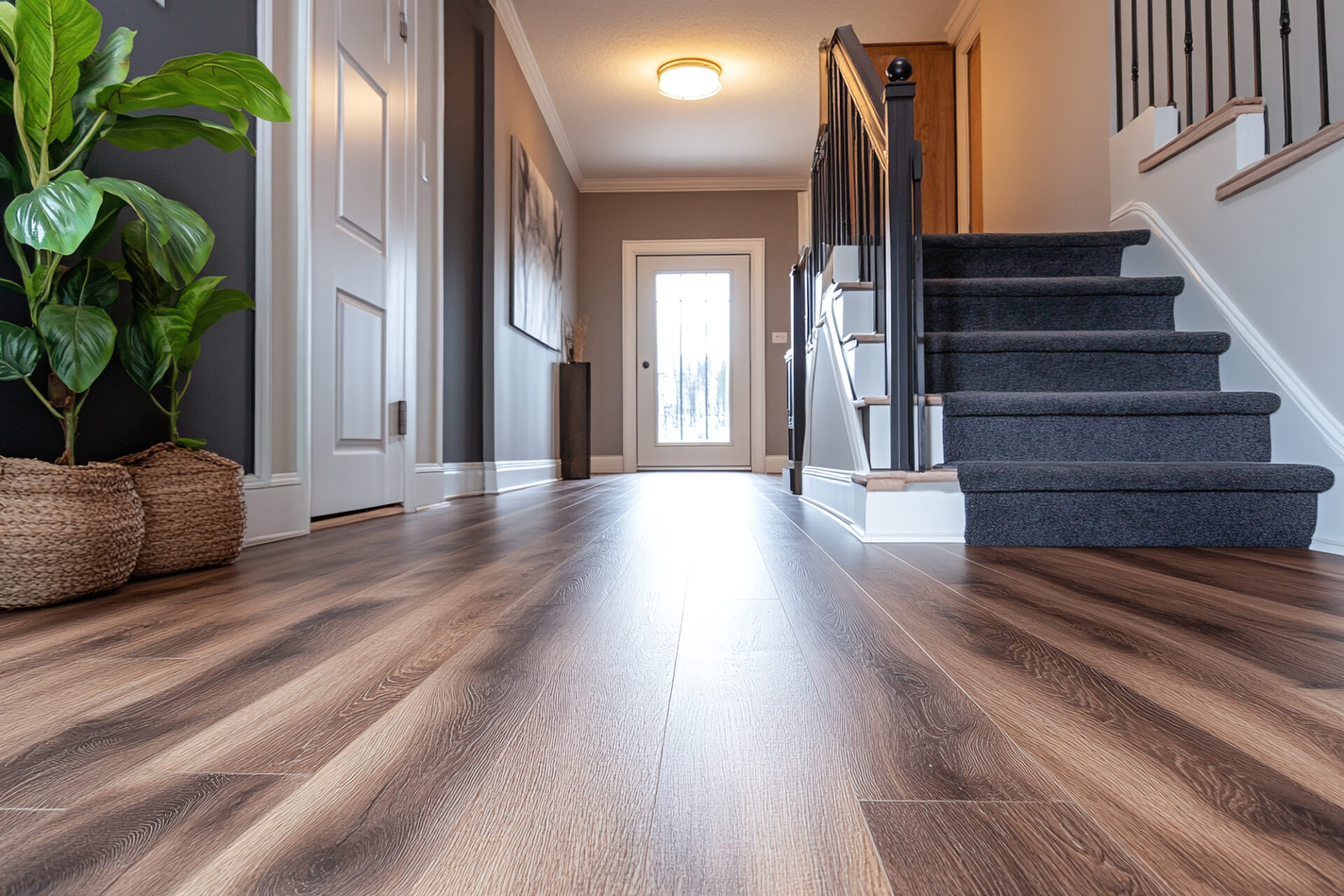
It’s important to remember that the least expensive flooring isn’t always the best value. A product that’s better suited to your family’s lifestyle may last longer, require less maintenance, and provide a better return on your investment over time.
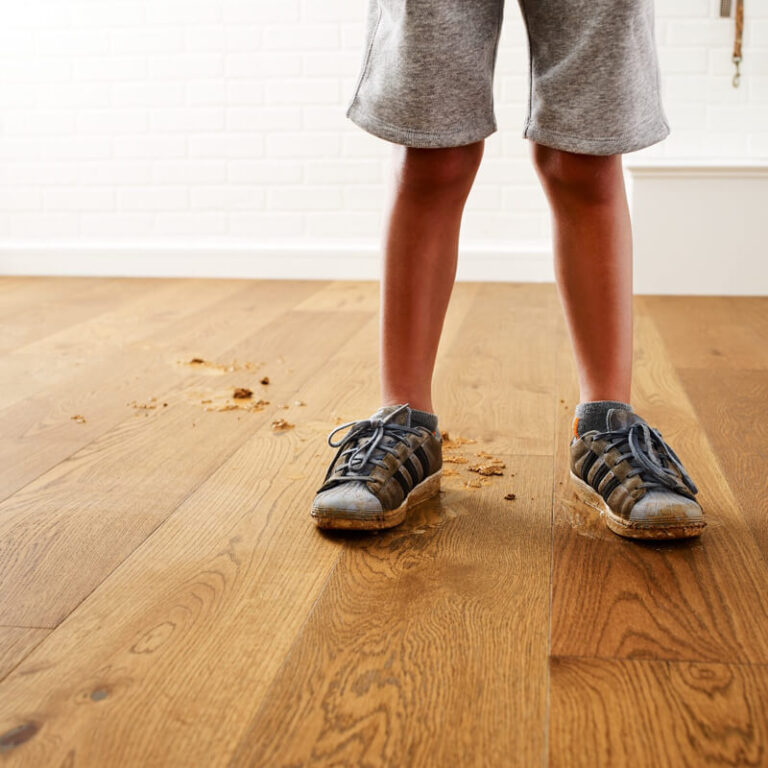
For example, if your family spends almost more time outside than in, you’ll want something durable, water-resistant, and easy-to-clean like laminate (water-resistant) or luxury vinyl plank (water-proof) or instead of carpet or hardwood, especially in entryways and mudrooms.
2. The Condition of Your Existing Floor
Before new flooring can be installed, your existing floor may need some preparation. The condition of the subfloor and what’s currently in your home can both affect the overall scope of the project.
Some common factors include:
- Removing existing carpet, tile, hardwood, or other flooring
- Repairing damaged or uneven subfloors
- Leveling the floor to create a smooth surface
- Addressing moisture issues before installation
- Removing and reinstalling baseboards or trim, if needed
While some homes are ready for new flooring right away, others require additional preparation to help ensure your new floors look great and perform as they should for years to come.
A professional flooring estimate includes more than just the new flooring itself—it also considers what’s underneath it. This way there are no surprises for anyone – us or you!
3. Room Size and Layout
Not all flooring projects are created equal. While larger spaces naturally require more flooring material, the layout of your home can also influence the time and labor involved in the installation.
Projects that may require additional time include:
- Stairs
- Hallways with multiple doorways
- Rooms with fireplaces, kitchen islands, or built-in cabinets
- Custom layouts or flooring patterns
- Multiple flooring transitions between rooms
By comparison, installing flooring in a large, open room is often more straightforward than working around numerous corners, angles, and obstacles. This is why a professional in-home estimate is so important; each home is unique.
4. Installation Requirements & Room Preparation
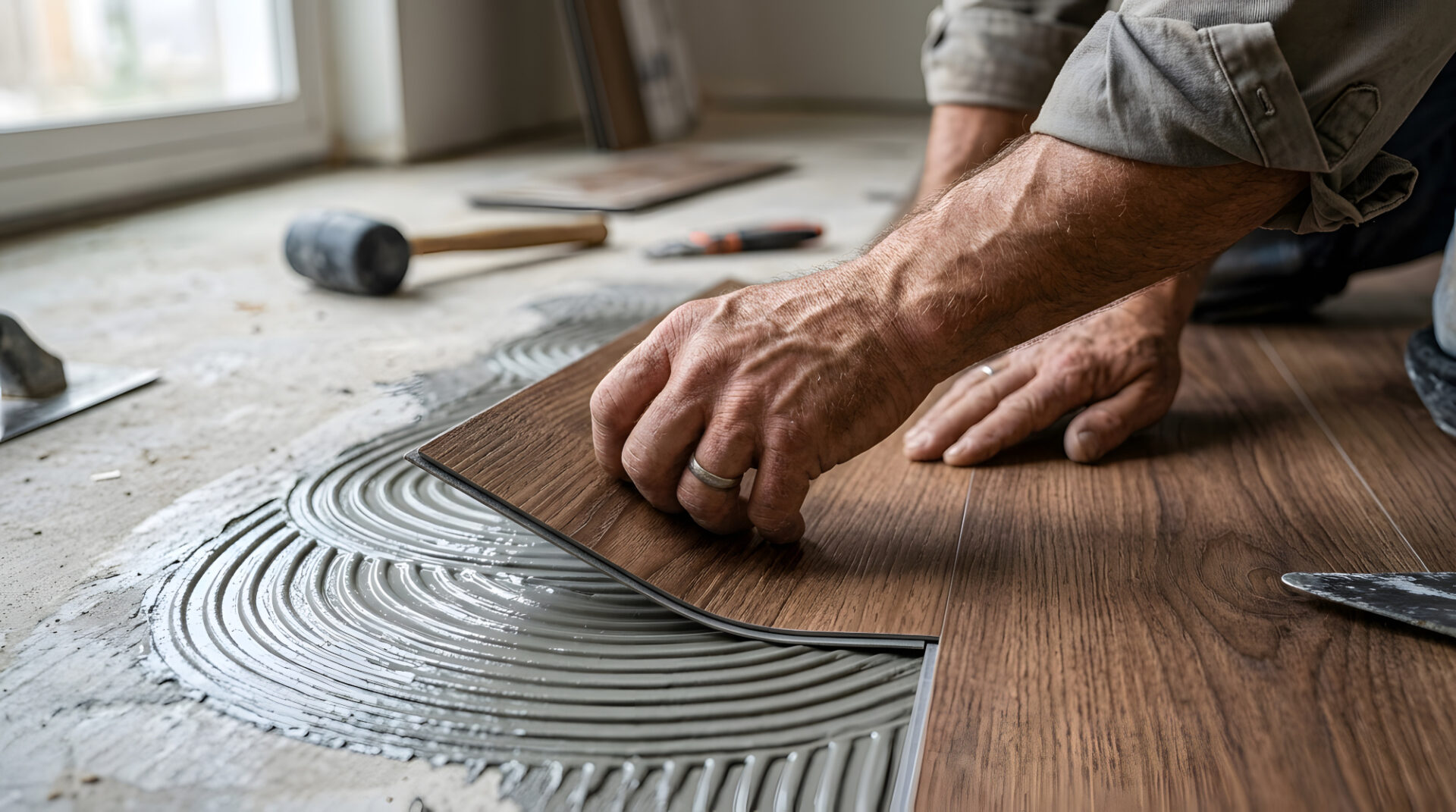
Some flooring products can be installed more quickly than others. There are flooring materials that click together, while others are stretched, glued, nailed, or set in mortar. The installation process—and the time it takes—can vary depending on the flooring you choose and the specific needs of your home.
Custom patterns (with tile, for example), transitions between rooms, stairs, and furniture moving can all influence the installation process.
Other factors to consider:
- Moving large furniture
- Disconnecting appliances
- Emptying closets
- Scheduling the installation
- Protecting belongings
5. Your Lifestyle and Long-Term Goals
The best flooring isn’t always the least expensive. A family with pets, kids, or high-traffic areas may benefit from a more durable option that lasts longer and requires less maintenance.
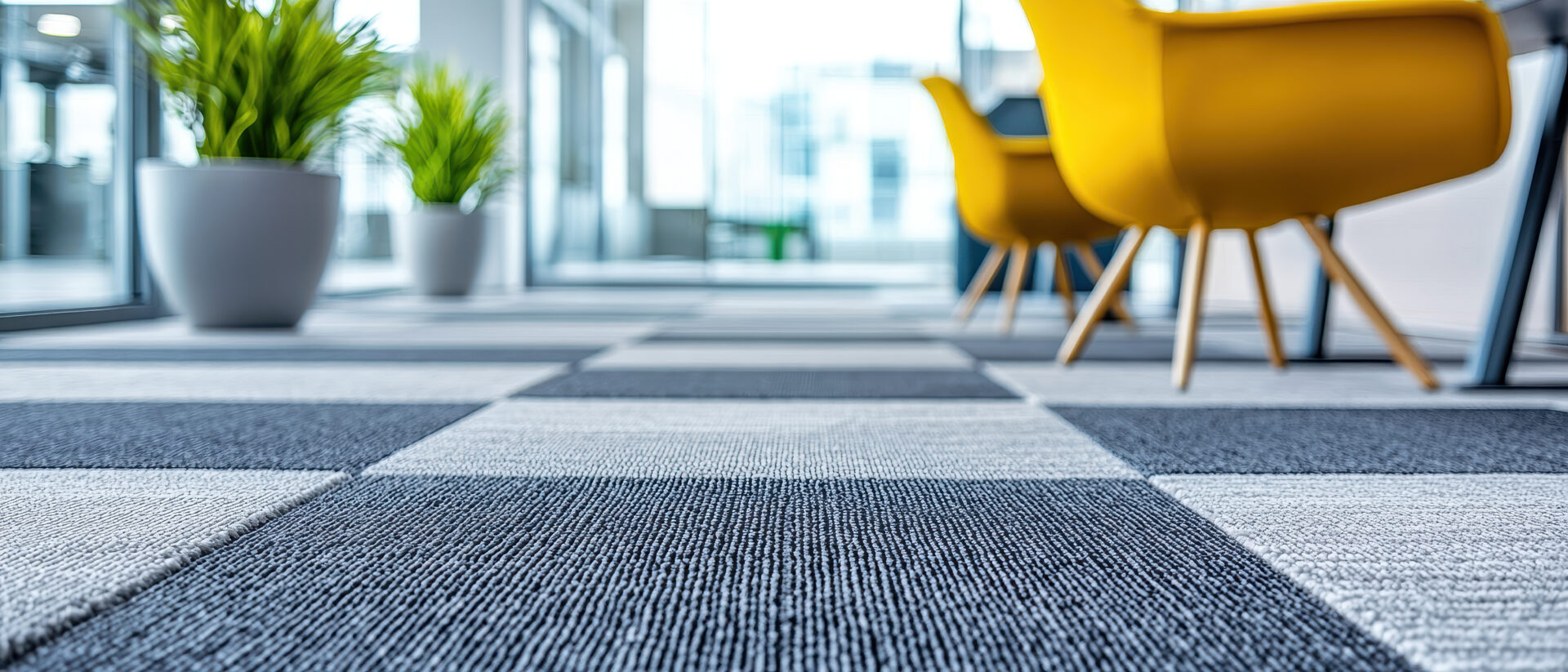
If the flooring is for an office space, consider the amount of traffic the area gets. For instance, individual offices and their users may benefit from luxury carpet while lobby areas that serve many customers will need something more durable like LVP.
Choosing new flooring doesn’t have to be a daunting process. At Carpetland Grand Junction, our experienced design team is here to guide you every step of the way. We’ll help you understand the factors that affect flooring costs, explore flooring styles and trends, and find products that fit your lifestyle, budget, and design goals.
Whether you’re updating a single room or your entire home or office, we’re here to make the process as simple and stress-free as possible. Contact Carpetland Grand Junction today at (970) 256-1330 or stop by our showroom at 2801 Grand Avenue in Grand Junction.